
Nutrition and Blood Pressure: How the Foods You Eat Shape Vascular Health

Food does much more than provide energy. Every meal sends signals to the body that influence metabolism, hormones, and inflammation. These signals can either support healthy blood vessels or place stress on the cardiovascular system.
How Nutrition Influences Inflammation

Inflammation is part of the body’s natural defense system. It helps fight infection and repair injury. But when inflammation stays active for too long, it can damage tissues and increase the risk of chronic illness. Autoimmune diseases are one example, where the immune system mistakenly attacks healthy parts of the body.
How Inflammation and Nutrition Shape Chronic Back Pain

Chronic back pain is one of the most common health concerns worldwide. It can limit movement, reduce energy, and affect mood. While injury, posture, and muscle strain are important factors, inflammation inside the body also plays a role.
How Nutrition Influences Blood Sugar Regulation and Insulin Sensitivity

Blood sugar is the body’s main source of energy. After we eat, food breaks down into glucose, which enters the bloodstream. The hormone insulin helps move that glucose into cells so it can be used for fuel. When insulin works well, energy stays steady. When insulin does not respond properly, blood sugar rises too high or drops too fast. Over time, this pattern can lead to type 2 diabetes and insulin resistance. Nutrition is one of the strongest daily influences on this system, shaping how the body manages glucose from morning to night.
How Nutrition Shapes the Gut Microbiome and Digestive Health
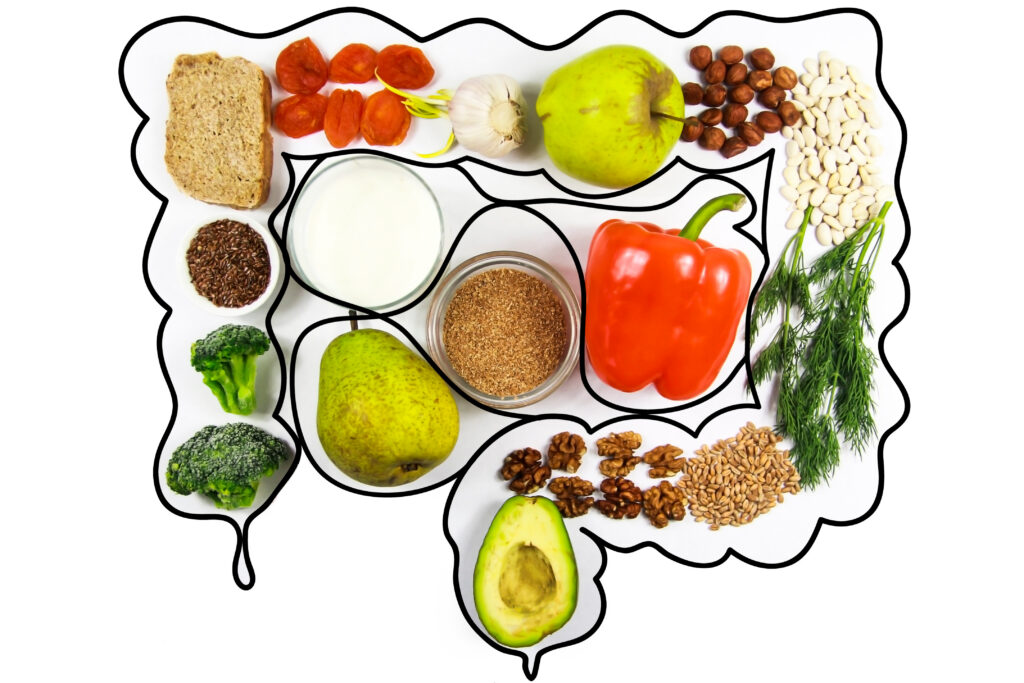
Inside the digestive system lives a large community of microorganisms known as the gut microbiome. These bacteria, fungi, and other microbes help digest food, produce vitamins, regulate immune activity, and influence metabolism.
How Nutrition Shapes Cholesterol, Inflammation, and Heart Health

Heart health is shaped by daily choices, not one perfect meal. What we eat affects cholesterol levels, inflammation, and how well our heart and blood vessels work over time. Nutrition does not just change numbers on a lab test—it can also influence how people feel day to day.
Why Nutrition Is Essential for Chronic Disease Prevention, and Metabolic Health

What you eat shapes long-term health. Diets rich in whole, plant-forward foods lower the risk of heart disease, diabetes, and early death. Small, consistent choices around food can add up to better health and more healthy years over time.
