
How Nutrition Shapes the Gut Microbiome and Digestive Health
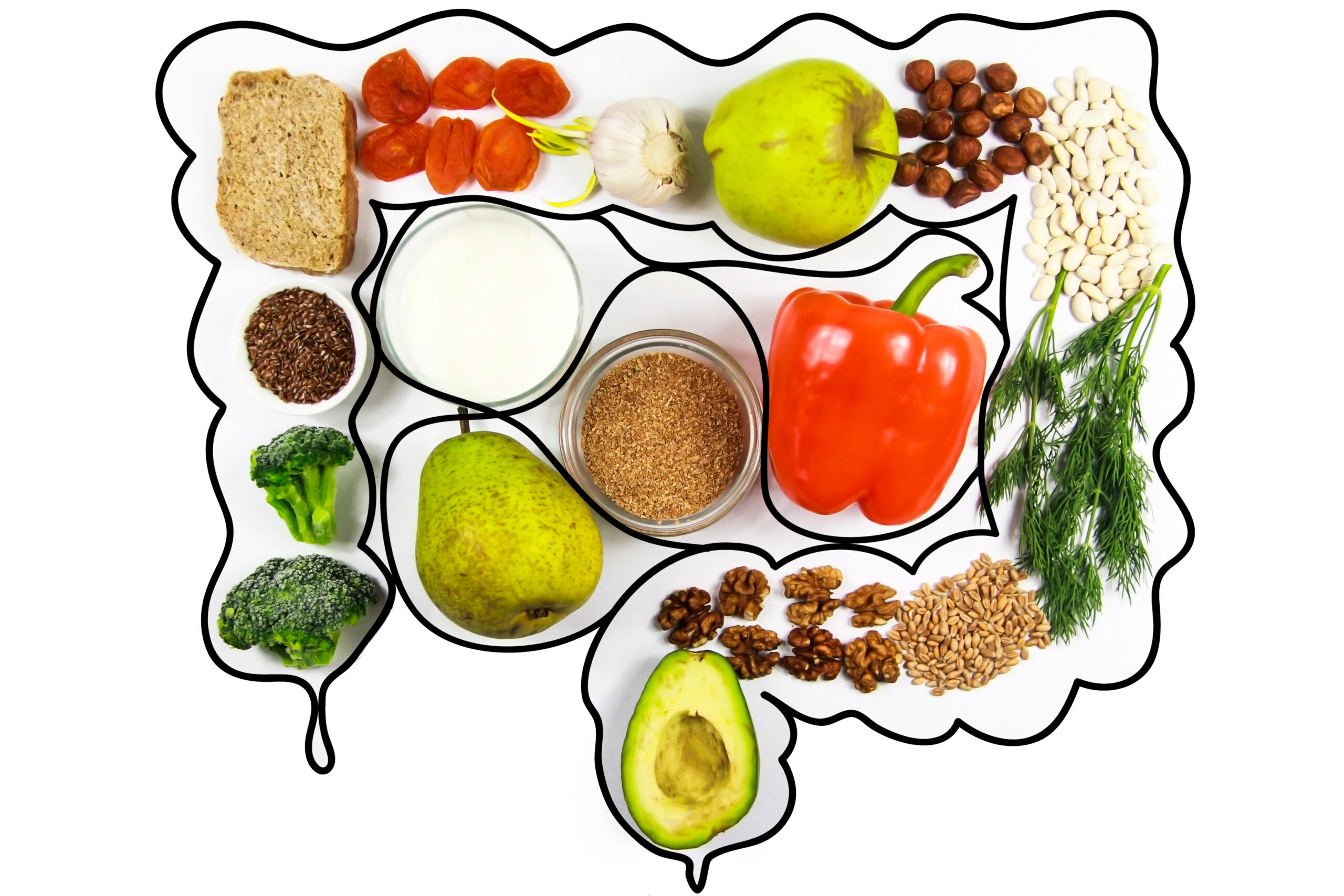
Inside the digestive system lives a large community of microorganisms known as the gut microbiome. These bacteria, fungi, and other microbes help digest food, produce vitamins, regulate immune activity, and influence metabolism. The gut microbiome changes throughout life and responds quickly to diet and lifestyle. Nutrition is one of the most powerful factors shaping which microbes thrive in the digestive system.
Understanding how nutrition shapes the gut microbiome can help people better support digestive health and overall wellbeing.
Why Nutrition Matters for Digestive and Gut Issues
The gut microbiome depends on nutrients from food. Fiber, plant compounds, and healthy fats feed beneficial bacteria that produce helpful substances for the body. One important group of these substances is short-chain fatty acids, which help regulate inflammation and support the lining of the gut.
Dietary patterns strongly influence microbial diversity in the digestive system. Diets rich in fruits, vegetables, legumes, and whole grains are associated with more diverse and stable gut microbiomes. Greater microbial diversity is often linked with better digestive health.
Western-style diets high in processed foods and refined sugars are associated with reduced microbial diversity and increased risk of digestive disorders. These patterns may influence inflammation, metabolism, and gut barrier function.
Nutrition is one of the most powerful factors shaping which microbes thrive in the digestive system.
A common misconception is that the microbiome changes slowly. In reality, diet can shift microbial populations within days. Another myth is that probiotics alone can fix gut problems. While supplements may help in some cases, everyday food choices play a much larger role in shaping microbial health.
How Nutrition Influences Symptoms and Risk
Nutrition influences the microbiome through the nutrients that microbes use for energy. Fiber acts as a key fuel source for beneficial gut bacteria. When bacteria ferment fiber, they produce short-chain fatty acids that help regulate immune activity and strengthen the intestinal barrier.
Diet also affects gut inflammation. Diets high in saturated fat and processed foods may promote microbial patterns associated with inflammation.
In the short term, dietary changes can influence digestion, gas production, and bowel patterns. Some individuals notice improvements in bloating or stool consistency when increasing fiber intake gradually.
Fiber acts as a key fuel source for beneficial gut bacteria.
In the long term, healthy dietary patterns support a more stable and diverse microbiome. Diverse microbiomes have been known to reduce risk of inflammatory bowel disease, metabolic disorders, and other chronic conditions.
What Patterns People Often Notice
People who improve dietary quality often notice subtle digestive changes. Bowel movements may become more regular. Bloating may decrease. Energy levels may feel steadier when digestion improves.
The gut microbiome also communicates with the brain through the gut–brain axis. Gut microbes can influence neurotransmitter production and mood regulation. Because of this connection, some individuals notice mood or mental clarity improvements when digestive health improves.
The gut microbiome also communicates with the brain through the gut–brain axis.
Laboratory markers sometimes change as well. Inflammatory markers or metabolic indicators may improve as gut microbial balance improves, though symptoms and lab values do not always change at the same pace.
Responses vary between individuals. Genetics, medications, stress levels, and previous diet all influence how quickly the microbiome adapts.
Practical Ways to Support This Area
Supporting gut health does not require complicated diets. Increasing intake of plant-based foods is one of the most effective strategies. Fruits, vegetables, beans, nuts, and whole grains provide fiber that feeds beneficial microbes.
Fermented foods such as yogurt, kefir, sauerkraut, and kimchi introduce live microorganisms that may help support microbial diversity. Hydration and regular meal timing can also support digestive function.
Gradual changes tend to work best. Increasing fiber slowly allows the microbiome and digestive system to adapt without discomfort.
Consistency matters more than perfection.
Consistency matters more than perfection. Long-term dietary patterns shape microbial health more strongly than occasional meals.
How Awareness and Tracking Can Help
Tracking diet and digestive symptoms can reveal useful patterns. Some people notice improved digestion when increasing plant foods or reducing highly processed snacks. Others observe that certain foods trigger discomfort.
Self-monitoring and symptom tracking can help individuals manage digestive conditions and identify helpful dietary patterns. Awareness allows people to personalize nutrition strategies for their own microbiome.
Approaching tracking with curiosity rather than strict rules helps maintain a balanced relationship with food.
Approaching tracking with curiosity rather than strict rules helps maintain a balanced relationship with food.
Key Takeaway
The gut microbiome plays a vital role in digestion, immunity, and overall health. Nutrition strongly shapes the balance of microbes living in the digestive system. Diets rich in fiber, plant foods, and fermented foods support microbial diversity and help regulate inflammation. While individual responses vary, consistent dietary patterns can gradually strengthen digestive health. Understanding the connection between nutrition and the microbiome empowers people to support their gut health through everyday food choices.
Understanding the connection between nutrition and the microbiome empowers people to support their gut health through everyday food choices.
Evra can help you take the next steps to create a healthier diet.