
How Supplements May Support Gut Health

Digestive health shapes how the body feels each day. The gut helps break down food, absorb nutrients, guide immune activity, and even influence mood. When the digestive system is out of balance, people may notice bloating, pain, irregular bowel habits, fatigue, or brain fog.
How Eating Patterns and Social Context Affect Digestion

Digestion is not just about what we eat. It is also about how, when, and with whom we eat. Meals happen inside a body that responds to stress, safety, routine, and connection. For many people with digestive or gut symptoms, eating patterns and social context quietly shape how the gut works day to day.
How Sleep Influences Gut Health and Digestion

Sleep does more than restore energy. It helps regulate hormones, repair tissues, balance the immune system, and guide digestion. When sleep is steady and deep, the gut works more smoothly. When sleep is short or restless, digestive symptoms often increase. Many people with bloating, reflux, constipation, or irritable bowel symptoms notice that their gut feels worse after poor sleep. Science now supports this connection. The relationship between sleep and gut health is strong, complex, and deeply important for overall wellbeing.
How Tech Helps Track Digestive Patterns

Digestive health affects how the body feels every day. The gut helps break down food, absorb nutrients, guide immune activity, and even influence mood. When digestion becomes irregular, people may notice bloating, pain, fatigue, or brain fog. These symptoms often change from day to day, which makes patterns hard to see. New technology such as wearable devices, mobile apps, and digital food or symptom trackers can help reveal these hidden rhythms. By turning daily experiences into clear information, technology can support more confident and personalized digestive care.
How Nutrition Shapes the Gut Microbiome and Digestive Health
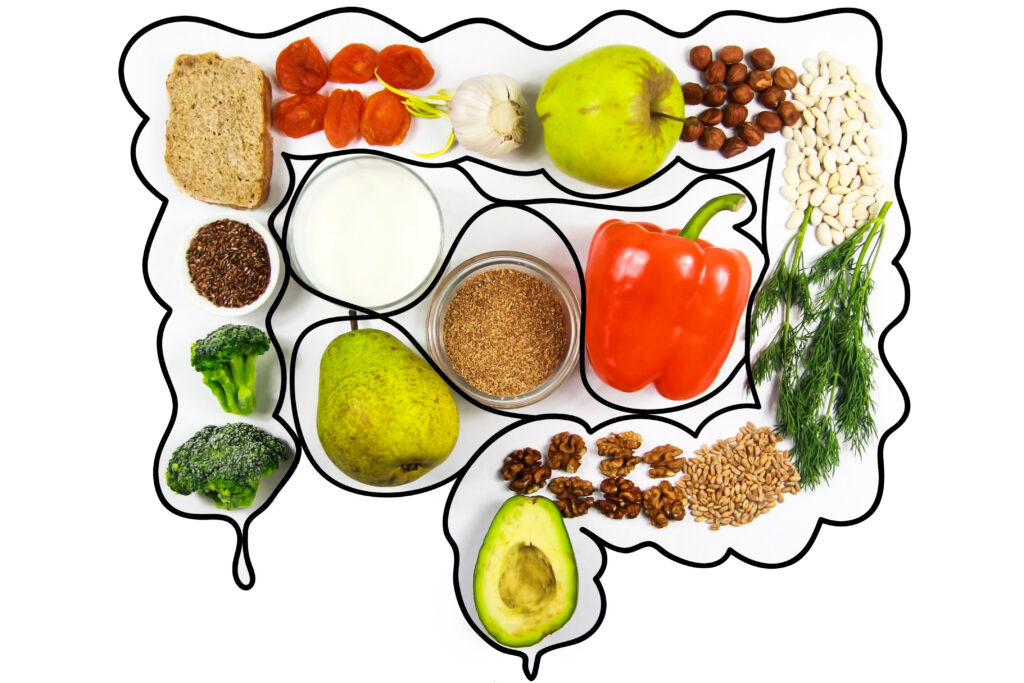
Inside the digestive system lives a large community of microorganisms known as the gut microbiome. These bacteria, fungi, and other microbes help digest food, produce vitamins, regulate immune activity, and influence metabolism.
