
Smart Blood Pressure Monitoring: How Wearables and Home Devices Help You Stay Heart-Healthy
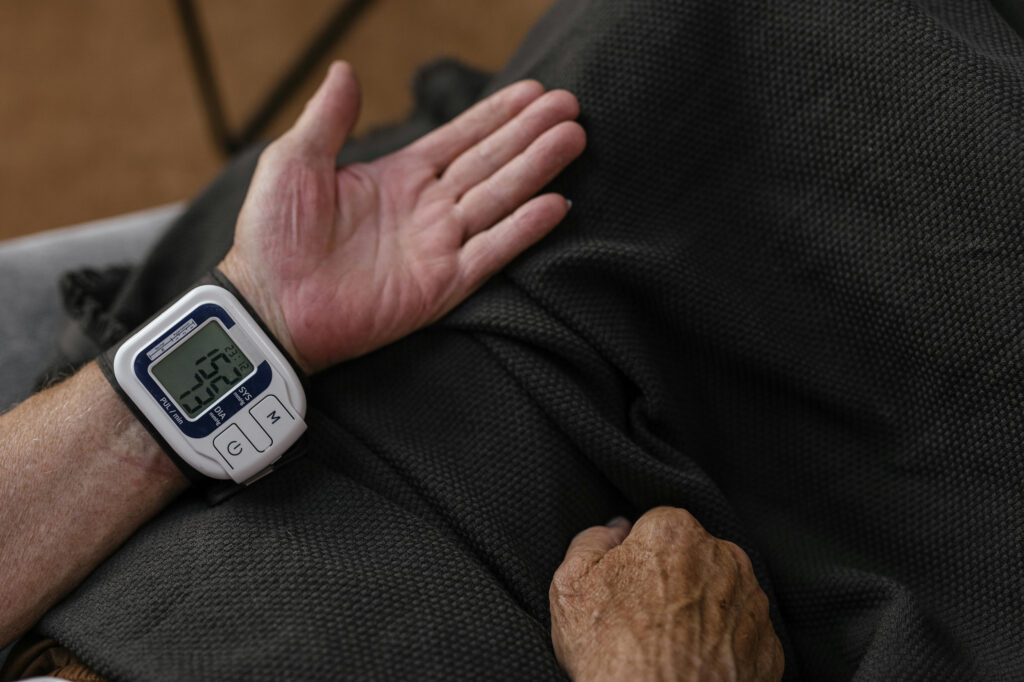
Blood pressure is a vital sign that reflects how hard the heart works to pump blood through the body. Many people only check their blood pressure during doctor visits. But blood pressure can change throughout the day depending on stress, activity, sleep, and diet.
How Tech Helps Track Digestive Patterns

Digestive health affects how the body feels every day. The gut helps break down food, absorb nutrients, guide immune activity, and even influence mood. When digestion becomes irregular, people may notice bloating, pain, fatigue, or brain fog. These symptoms often change from day to day, which makes patterns hard to see. New technology such as wearable devices, mobile apps, and digital food or symptom trackers can help reveal these hidden rhythms. By turning daily experiences into clear information, technology can support more confident and personalized digestive care.
Healing with Awareness: How Health Technology Supports Energy and Recovery in Cancer Care
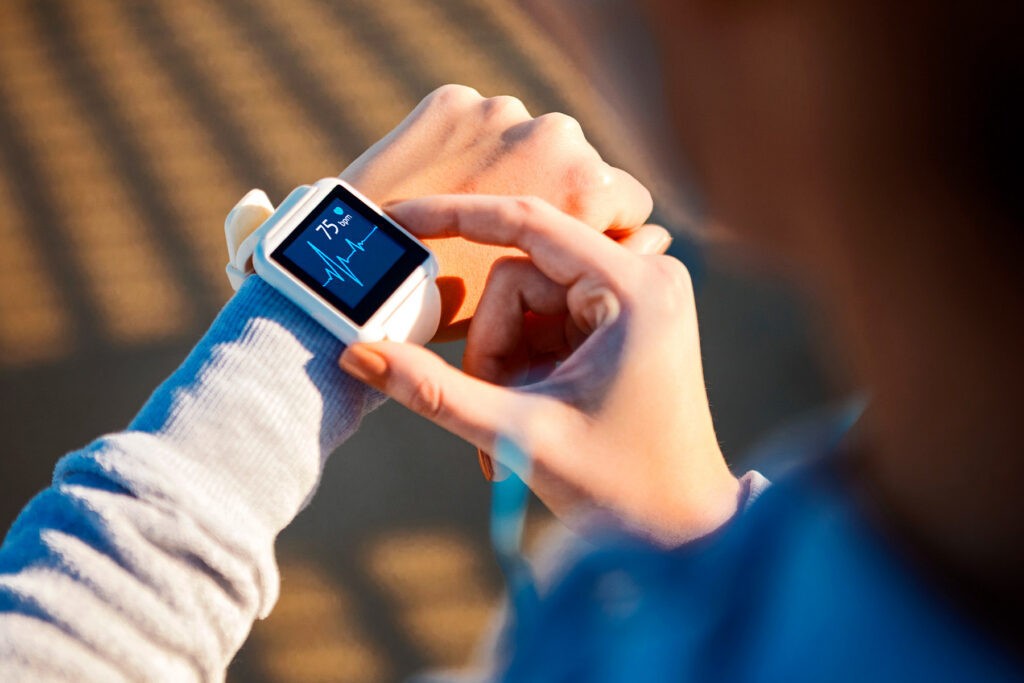
Cancer recovery is a gradual process that requires careful balance between activity and rest. Treatments such as chemotherapy, radiation, and surgery can leave patients feeling tired, weak, and emotionally drained. Many people struggle to understand how much activity is helpful and when their bodies need more rest.
Why Wearables and Health Technology Can Improve Chronic Disease Awareness
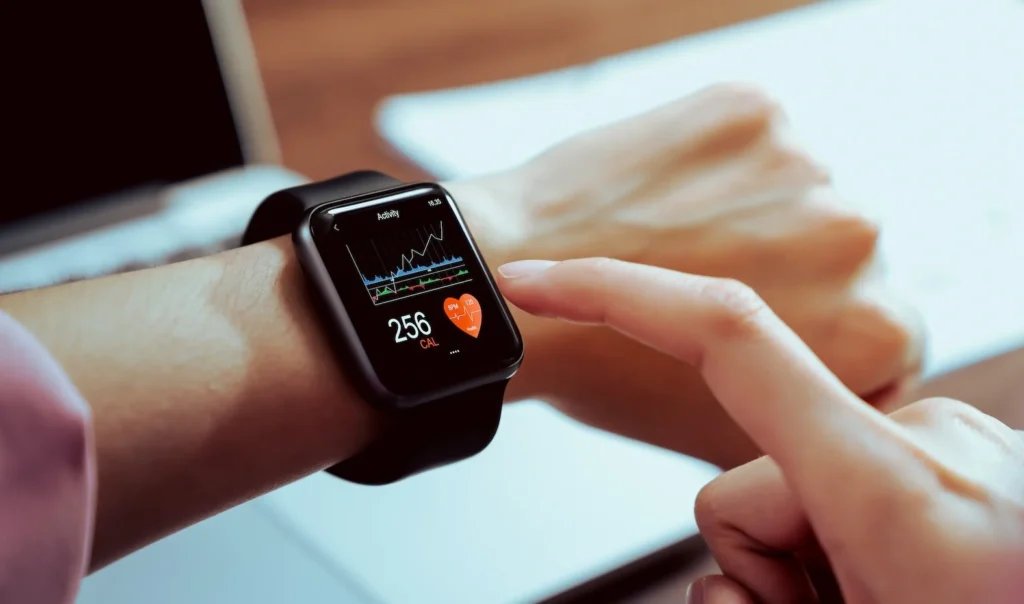
Wearable health devices collect more data than ever, but data alone does not improve health. When used thoughtfully, wearables can help people with chronic disease turn patterns into insight and insight into action.