
Smart Blood Pressure Monitoring: How Wearables and Home Devices Help You Stay Heart-Healthy
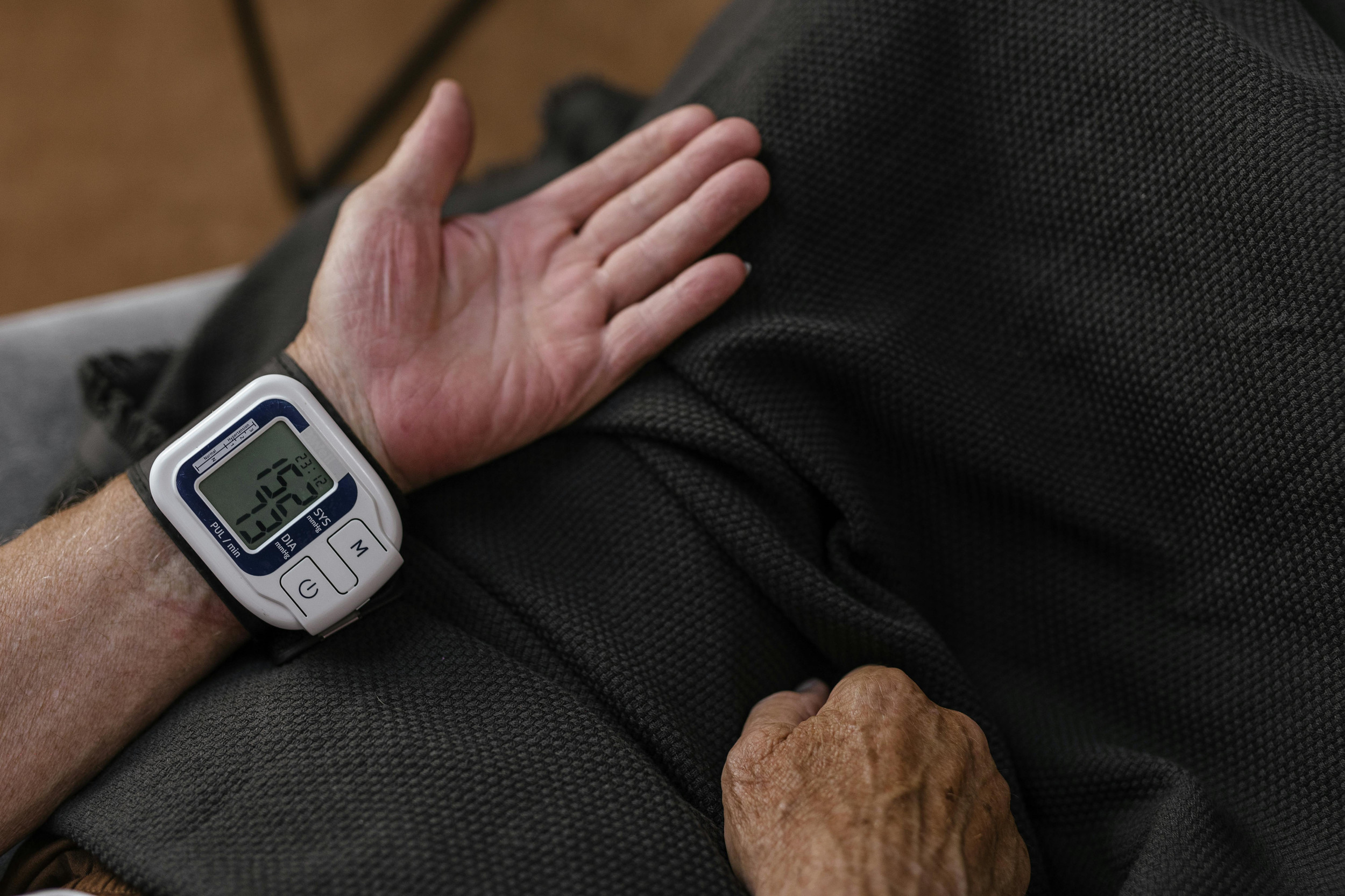
Blood pressure is a vital sign that reflects how hard the heart works to pump blood through the body. Many people only check their blood pressure during doctor visits. But blood pressure can change throughout the day depending on stress, activity, sleep, and diet.
Today, home blood pressure monitors and wearable health devices make it easier to track these changes regularly. These tools help people understand their health in real time and take steps to protect their hearts. When used wisely, they turn daily data into meaningful awareness.
When used wisely, they turn daily data into meaningful awareness.
From Data to Insight to Action
Modern blood pressure monitors and wearable devices collect valuable health data. Home monitors provide systolic and diastolic readings, while wearable devices measure heart rate, activity levels, sleep quality, and sometimes heart rhythm.
But numbers alone are not enough. The real benefit comes when people use this information to guide their decisions.
Home blood pressure monitoring has been linked with better hypertension control because it encourages active involvement in health management.
By turning measurements into insight, individuals can take informed actions to improve heart health.
But numbers alone are not enough.
Recognizing Patterns Over Time
A single reading cannot show the full picture of cardiovascular health. Blood pressure naturally rises and falls during the day.
Tracking measurements over time reveals patterns that may otherwise go unnoticed. For instance, a person may discover that their blood pressure is consistently higher in the morning. Another might find that readings improve after regular walking or relaxation exercises.
Wearables also track patterns in physical activity, sleep, and heart rate variability. These patterns provide a deeper understanding of how daily habits affect the cardiovascular system.
Repeated home monitoring provides a more reliable picture of blood pressure trends than occasional clinic readings. Seeing patterns helps people understand their bodies better and adjust their routines accordingly.
A single reading cannot show the full picture of cardiovascular health.
Behavioral Nudges Encourage Healthier Habits
Wearable devices often include behavioral nudges—gentle reminders that encourage healthier choices. Some devices remind users to stand up after long periods of sitting. Others encourage daily step goals, guided breathing exercises, or consistent sleep schedules.
These small prompts can make a big difference over time. Wearable feedback can help increase physical activity and support long-term lifestyle changes.
Regular physical activity helps lower blood pressure, improve circulation, and strengthen the heart.
Wearables also support medication adherence by allowing users to set reminders for daily doses. These features help build consistent habits that support cardiovascular health.
These small prompts can make a big difference over time.
Understanding the Limits of Health Data
Although blood pressure devices and wearables provide helpful insights, they are not perfect. Home monitors may give slightly different readings depending on cuff placement or body position. Wearable sensors can be affected by motion or skin contact.
Many wearable devices provide useful estimates of heart rate and activity; their accuracy may vary depending on the device and situation. This means that wearable data should be viewed as guidance, not a medical diagnosis.
If unusual patterns appear—such as consistently high readings or irregular heart rhythms—medical evaluation remains essential.
Wearable data should be viewed as guidance, not a medical diagnosis.
Using Technology Without Obsession
Health technology is most helpful when it increases awareness without causing stress.
Some people may feel anxious if they check their numbers too frequently. Obsessing over small daily changes can lead to unnecessary worry. A healthier approach is to focus on long-term trends rather than single readings.
For example, weekly or monthly patterns in blood pressure provide more meaningful information than checking multiple times each hour. Health technology should be used as a supportive tool rather than as a means of dominating daily life.
Evra reinforces maintaining a balance between using wearables to help people stay informed while maintaining peace of mind.
Health technology is most helpful when it increases awareness without causing stress.
