
Why Wearables and Health Technology Can Improve Chronic Disease Awareness
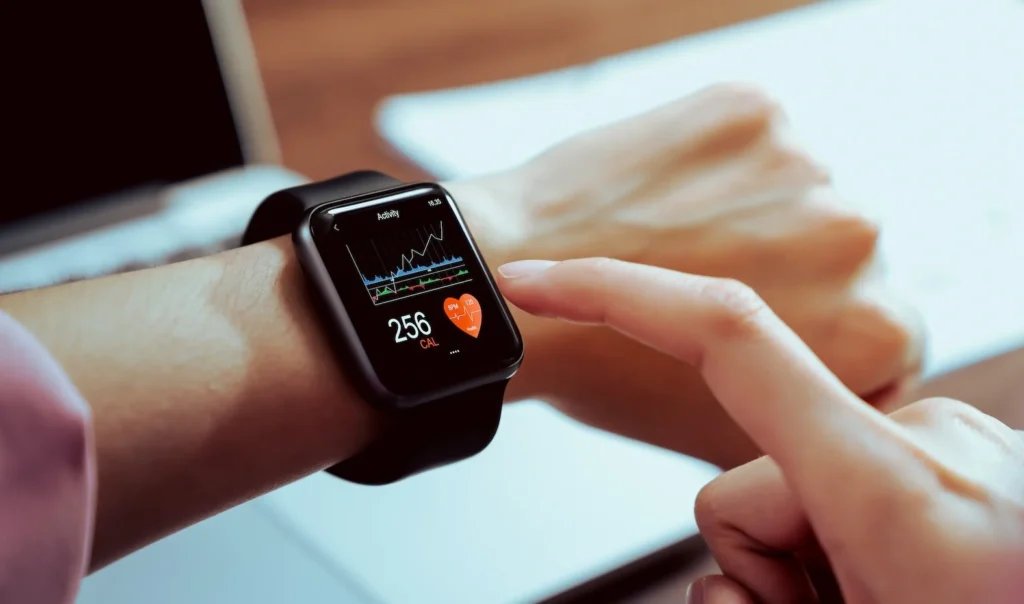
Table of Contents
Wearable health technology — such as smartwatches, fitness trackers, and continuous glucose monitors — has become more common in everyday life. These devices collect health data like heart rate, steps, sleep patterns, and more. But can this data actually help people with chronic diseases?
Yes, when used the right way.
Wearables can help people turn data into insight, and insight into action. They can highlight patterns, support behavior change, and improve awareness of health trends.
However, there are limits to what data can do, and using technology wisely is key.
Data → Insight → Action
Wearables collect health data every second you wear them. But raw numbers alone do not change health. What matters most is turning that data into insight, and then turning insight into action.
For example, a continuous glucose monitor (CGM) can record glucose levels in real time. When paired with a phone app or coaching program, users can see how changes in food or exercise affect their levels and adjust their habits accordingly. These changes can help those with diabetes manage their condition more effectively. Integrating wearables into lifestyle programs can improve awareness of glucose patterns and prompt meaningful changes in diet and activity.
Wearables are not just for people with an active chronic condition.
Heart rate monitors and fitness trackers help users notice how activity influences stress or pulse changes. By spotting trends early, people can talk with their healthcare provider and adjust medications, routines, or treatments before small problems become bigger ones. This shows how data can become an action for better health.
Pattern Recognition: Seeing What the Numbers Mean
One of the biggest benefits of wearables is pattern recognition — the ability to see trends over days, weeks, or months.
A large review of studies on wearables for chronic disease found that these tools can help people track behavior and health signals important for conditions such as heart disease, diabetes, and lung disease.
Wearables can reveal patterns that might otherwise go unnoticed. For example:
• Heart rate changes during sleep
• Blood glucose spikes after specific foods
• Reduced activity before feeling sick
Seeing patterns regularly can help people understand why their health changes, not just that it changed. These insights can motivate meaningful behavior changes sooner rather than later.
Behavioral Nudges: Small Reminders, Big Differences
Wearables are powerful in part because they can provide behavioral nudges — small cues that help people stay on track.
Many devices encourage users to stand up after sitting too long, take more steps, or remind them to relax. These small nudges can add up. Studies show that wearable-based prompts can help people increase their daily activity and stick to healthier routines.
Even small improvements in activity or sleep can have benefits for people with chronic conditions like hypertension or type 2 diabetes. Regular, small actions — guided by wearable feedback — may help people stay engaged with their health more than traditional methods alone.
Limits of Data: More Is Not Always Better
While wearables have many benefits, they also have limits.
Not all wearable measurements are reliable for serious medical decisions. For example, smartwatches that claim to measure blood glucose levels without approved sensors have led to warnings by regulators because inaccurate data could harm patients who rely on them for treatment decisions.
Recently, the U.S. Food and Drug Administration (FDA) has raised regulatory flags about blood pressure measurement features on consumer wearables, including issuing a warning letter to Whoop for offering a blood pressure metric without appropriate medical validation, underscoring that such functions require proper evidence and authorization to be considered reliable; and while Apple’s smartwatch has received clearance for a hypertension notification feature, clinicians continue urging caution about its accuracy and medical usefulness given the limitations of cuffless estimations.
Commercial wearables are still mostly designed for general wellness, not medical diagnostics. A systematic review found that most devices studied were not subject to strict medical standards, which can limit their use in clinical decision-making.
Wearables can support awareness and behavior change.
But they are not replacements for medical tools or doctor guidance.
Awareness of these limits helps users get the most benefit without risking confusion or harm.
Using Tech Without Obsession: Smart Balance Matters
It is easy to become overwhelmed by data. Constant health tracking can make some people anxious or overly focused on small changes. The goal of wearables should not be perfection, but awareness and empowerment.
Here is how to use wearables wisely:
• Focus on trends, not every beep or alert. Long-term patterns matter more than small day-to-day fluctuations.
• Use data as a conversation starter with your doctor or care team.
• Balance screen time with real, mindful health choices like nutrition, movement, sleep, and stress reduction.
• Remember that devices are tools, not solutions themselves.
Evra recommends the use of wearables as helpful guides — not health judges — they can support healthy choices without stress.