
Design for a Pain-Free Back: How Ergonomics and Environment Shape Spinal Health

Back pain is often linked to posture, heavy lifting, and long hours of sitting. But another important factor is often overlooked: our environment. The spaces where we live and work can influence inflammation, muscle tension, and spinal stress. Poor ergonomics combined with environmental exposures may increase discomfort and slow recovery.
How Nutrition Shapes the Gut Microbiome and Digestive Health
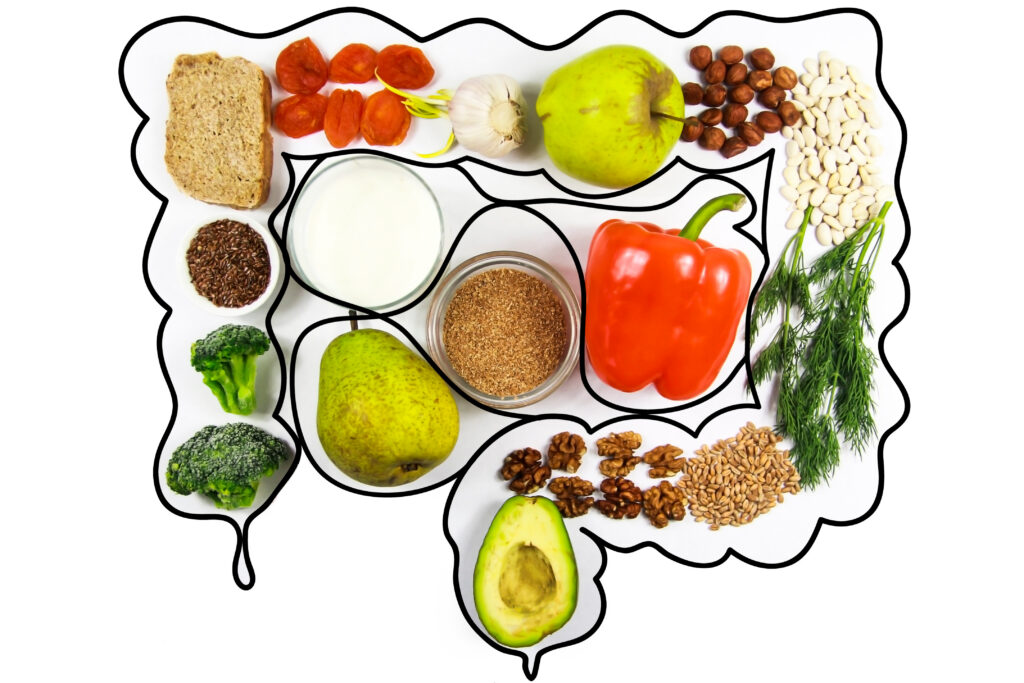
Inside the digestive system lives a large community of microorganisms known as the gut microbiome. These bacteria, fungi, and other microbes help digest food, produce vitamins, regulate immune activity, and influence metabolism.
How Sleep Quality Shapes Anxiety and Emotional Health

Depression affects mood, energy, sleep, and the ability to enjoy daily life. It can feel isolating, even when others are nearby. While treatment often focuses on therapy, medication, and lifestyle habits, one of the most powerful protective factors is human connection.
How Connection Protects Against Depression

Depression affects mood, energy, sleep, and the ability to enjoy daily life. It can feel isolating, even when others are nearby. While treatment often focuses on therapy, medication, and lifestyle habits, one of the most powerful protective factors is human connection.
How Supplements May Support Hormonal Balance

Hormones act as chemical messengers that help regulate many processes in the body. They influence metabolism, mood, sleep, reproductive health, and energy levels. When hormones fall out of balance, people may experience symptoms such as fatigue, irregular cycles, mood shifts, or metabolic changes.
Healing with Awareness: How Health Technology Supports Energy and Recovery in Cancer Care

Cancer recovery is a gradual process that requires careful balance between activity and rest. Treatments such as chemotherapy, radiation, and surgery can leave patients feeling tired, weak, and emotionally drained. Many people struggle to understand how much activity is helpful and when their bodies need more rest.
How Workload and Stress Contribute to Hypertension

High blood pressure, also called hypertension, affects millions of people worldwide. It develops when the force of blood pushing against artery walls remains too high for long periods.
How Nutrition Shapes Cholesterol, Inflammation, and Heart Health

Heart health is shaped by daily choices, not one perfect meal. What we eat affects cholesterol levels, inflammation, and how well our heart and blood vessels work over time. Nutrition does not just change numbers on a lab test—it can also influence how people feel day to day.
Why Sleep Is One of the Most Overlooked Drivers of Insulin Resistance

Sleep is not just “rest.” It is one of the body’s most powerful metabolic regulators. When sleep is short, fragmented, or mistimed, blood sugar control can suffer, sometimes quickly and quietly. Understanding this connection can help people make sense of symptoms, labs, and long-term risk.
How Supplements Can Help with Chronic Disease (When Used Wisely)

Not every supplement works for every person. The ones that do tend to share something in common: they’re addressing a real deficiency, backed by evidence, and guided by a healthcare provider. That’s the difference between a supplement that helps and one that just costs money.
