
How Posture and Movement Tracking Supports Back Health

Chronic back pain is one of the most common health concerns worldwide. It can affect sleep, work, mood, and daily comfort. Many people focus only on stretching, medication, or rest. These tools can help, but another important factor is often missed: how the body moves and holds posture throughout the day. Small patterns repeated for hours can shape muscle tension, joint stress, and pain signals. Wearable technology and posture tracking now offer new ways to notice these patterns. Understanding how movement awareness supports back health can help people take gentle, steady steps toward recovery.
How Environmental Stressors Affect Blood Pressure
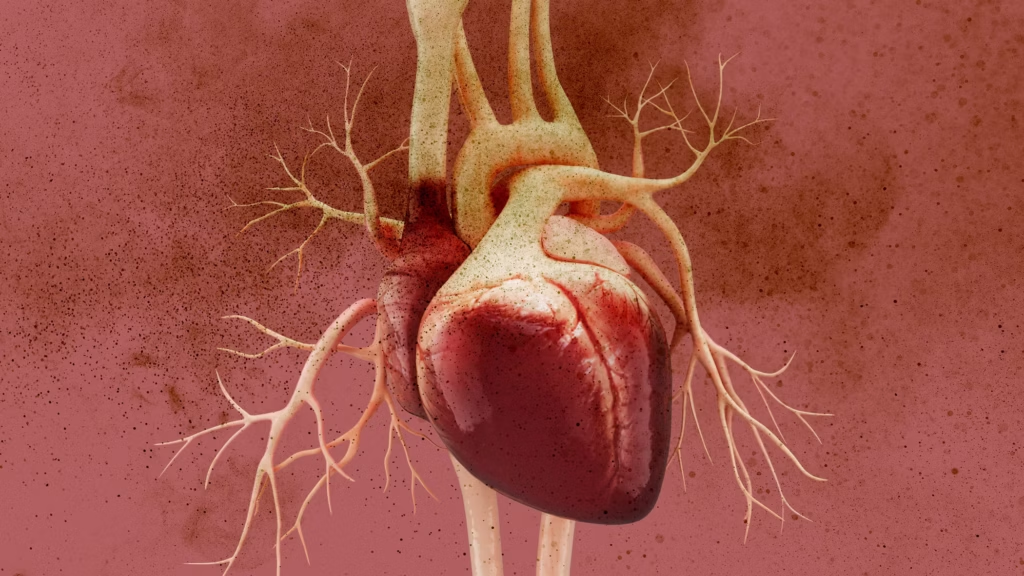
Blood pressure reflects how strongly blood pushes against artery walls. It changes throughout the day based on movement, emotion, sleep, and surroundings. When pressure stays high for long periods, the risk of heart disease, stroke, and kidney damage increases. While diet, exercise, and medication are well known influences, the environment also plays a powerful role. Noise, air pollution, temperature, and daily stress exposure can quietly shape cardiovascular health. Understanding how environmental stressors affect blood pressure helps people make small, meaningful changes that support long-term wellbeing.
How Food Choices Affect Cancer Risk and Recovery

What we eat affects more than our weight. Food sends powerful chemical signals that influence metabolism, inflammation, immune function, and cell growth. When nutrition supports balanced metabolism and low inflammation, the body is better positioned to prevent cancer and aid recovery after diagnosis.
Understanding the role of nutrition in cancer risk and recovery can help people make food choices that support long-term health—even when facing a serious disease.
How Sleep and Mood Are Biologically Connected

Sleep affects nearly every system in the body. It restores energy, regulates hormones, and supports brain function. When sleep becomes disrupted, emotional health often changes as well. Many people living with depression also experience sleep difficulties, including insomnia, frequent waking, or early morning awakenings. Scientists now understand that sleep and mood are deeply connected through shared biological pathways. Understanding this connection can help people approach sleep as an important part of emotional wellbeing.
How Supplements May Support Nervous System Balance

Anxiety is a natural response to stress or uncertainty. It prepares the body to react quickly and stay safe. But when anxiety becomes constant, the nervous system can remain in a state of alert that affects sleep, mood, digestion, and focus. Many people explore therapy, lifestyle change, or medication for relief. Another area of growing interest is the role of nutritional supplements in supporting nervous system balance. Supplements are not cures, yet some nutrients may gently support the brain and body systems involved in stress regulation. Understanding this connection can help people make informed and compassionate choices about care.
How Pollution and Toxins Affect Cardiovascular Risk

Heart disease is often linked with lifestyle factors such as diet, exercise, and smoking. While these are important, the environment also plays a major role in cardiovascular health. Air pollution, chemical exposure, and environmental toxins can influence inflammation, blood pressure, and blood vessel function. Over time, these effects may increase the risk of heart attack, stroke, and other cardiovascular conditions.
Smart Supplements for Blood Pressure: What Helps and When to Use Them

Many daily habits, including diet, movement, sleep, and stress levels, influence blood pressure. While lifestyle changes remain the foundation of heart health, some people explore supplements to help support healthy blood pressure.
Supplements play a helpful role when used wisely. However, they should be viewed as support tools, not replacements for healthy living or medical treatment.
Sleep and Immune Health: How Rest Strengthens Disease Defense and Resilience

Sleep is often seen as rest for the mind. But during sleep, the body performs important repair work that supports immune health, reduces inflammation, and helps protect against chronic disease.
The immune system depends on healthy sleep to function well. When sleep quality is poor or sleep is regularly disrupted, the body’s defense systems can weaken. Over time, this may increase vulnerability to infections and chronic diseases, including certain cancers.
Move Gently, Heal Strong: How Simple Movement Supports Autoimmune Balance

Living with an autoimmune condition can feel unpredictable. Some days are good. Others are harder. While medication and medical care are important, gentle movement can play a powerful role in your body. Let’s explore how movement helps.
How Workplace Stress Drives Anxiety

Work takes up a big part of life. It shapes our days, our routines, and often our sense of safety. When work feels overwhelming or unstable, anxiety can quietly grow. Understanding how workplace stress affects anxiety helps people notice patterns earlier—and respond with more care and clarity.
