
How Environmental Stressors Affect Blood Pressure
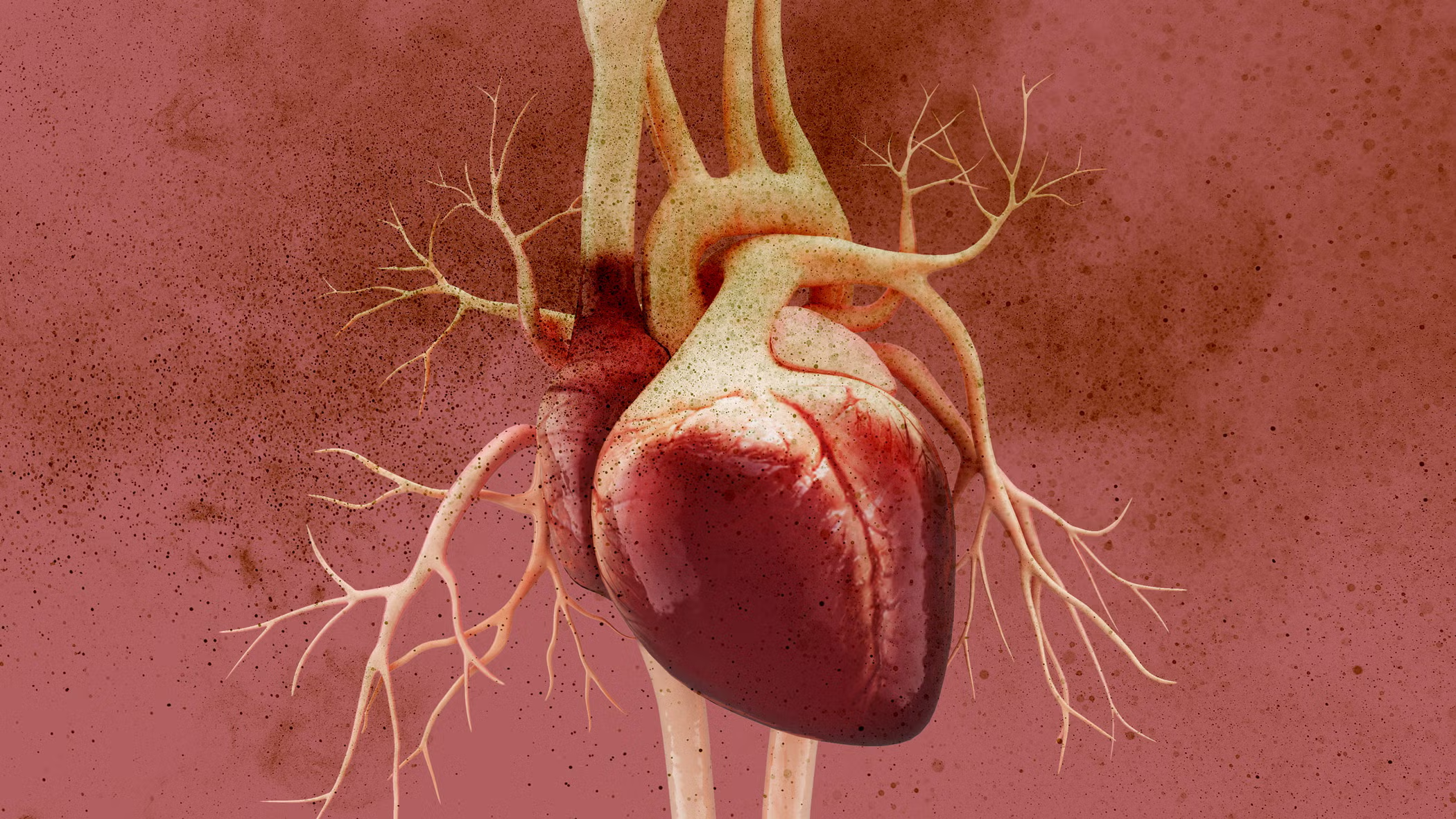
Blood pressure reflects how strongly blood pushes against artery walls. It changes throughout the day based on movement, emotion, sleep, and surroundings. When pressure stays high for long periods, the risk of heart disease, stroke, and kidney damage increases. While diet, exercise, and medication are well known influences, the environment also plays a powerful role. Noise, air pollution, temperature, and daily stress exposure can quietly shape cardiovascular health. Understanding how environmental stressors affect blood pressure helps people make small, meaningful changes that support long-term wellbeing.
Noise, air pollution, temperature, and daily stress exposure can quietly shape cardiovascular health.
Why Environment Matters for Hypertension
The body constantly senses its surroundings. When the brain detects threat, discomfort, or strain, it activates the stress response. Hormones such as cortisol and adrenaline increase heart rate and tighten blood vessels, which raises blood pressure. Chronic activation of this stress system contributes to the development of hypertension.
Long-term exposure to environmental stressors, especially air pollution and noise, with higher blood pressure and increased cardiovascular disease risk. These associations appear across many countries and age groups, suggesting a broad biological effect.
A common misconception is that only severe pollution or extreme stress affects blood pressure. Moderate, long-term exposure can also affect you just as much. Another myth is that hypertension depends only on personal lifestyle. Environmental context is also an important contributor.
Environmental context is also an important contributor.
How Environment Influences Symptoms and Risk
Environmental stressors influence blood pressure through several connected pathways. Air pollution particles can enter the bloodstream and trigger inflammation that stiffens blood vessels. Chronic noise or crowding may keep the nervous system in a constant alert state. Extreme heat or cold can strain cardiovascular regulation and fluid balance.
In the short term, stressful surroundings may cause temporary blood pressure spikes, headaches, or a racing heartbeat. There have been measurable increases in blood pressure during noise exposure or psychological stress. Over the long term, repeated exposure contributes to sustained hypertension and higher rates of heart attack and stroke.
Still, individual response varies. Genetics, coping skills, socioeconomic conditions, and access to green space all influence how strongly the environment affects cardiovascular health.
Over the long term, repeated exposure contributes to sustained hypertension and higher rates of heart attack and stroke.
What Patterns People Often Notice
People living in high-stress or polluted environments may notice fatigue, tension, headaches, or poor sleep. These symptoms often accompany elevated blood pressure. Long-term noise and air pollution exposure is linked with sleep disturbance, inflammation, and cardiovascular strain.
Mood may also shift. Chronic environmental stress is associated with anxiety and reduced emotional wellbeing, which further influences blood pressure through stress hormones. Laboratory tests may show inflammation or vascular dysfunction over time, though symptoms can appear before measurable disease.
Variation remains wide. Some individuals adapt well, while others are highly sensitive to environmental conditions. Recognizing personal patterns helps guide protective steps.
Recognizing personal patterns helps guide protective steps.
Practical Ways to Support This Area
Supportive change often begins with small environmental adjustments. Improving indoor air quality, reducing noise exposure, spending time in green spaces, and maintaining comfortable temperature can all support cardiovascular calm. Cleaner air and quieter living conditions are linked with lower blood pressure and reduced heart disease risk.
Sustainable habits extend beyond the physical environment. Stress-reduction practices, regular movement, restorative sleep, and social support all buffer the cardiovascular effects of environmental strain. Over time, these combined supports help the body recover more effectively from daily stressors.
Supportive change often begins with small environmental adjustments.
How Awareness and Tracking Can Help
Tracking blood pressure alongside environmental conditions such as noise, air quality, stress, and sleep can reveal meaningful connections. Some people notice higher readings during stressful workdays or poor air quality and lower readings during calm or outdoor time. Home blood pressure monitors and wearable devices make these patterns easier to see.
Regular blood pressure tracking improves hypertension awareness, treatment adherence, and cardiovascular outcomes. Awareness transforms invisible environmental effects into clear information that can guide healthier choices.
Most importantly, awareness supports empowerment rather than fear. Small insights can lead to practical protection.
Awareness transforms invisible environmental effects into clear information that can guide healthier choices.
Key Takeaway
Environmental stressors quietly shape blood pressure and long-term heart health. Air pollution, noise, temperature, and chronic stress all influence cardiovascular regulation alongside lifestyle and genetics. While not every exposure can be controlled, small supportive changes and steady awareness can reduce risk. Protecting heart health often begins with caring for the environments in which daily life unfolds. Supporting heart health often begins with awareness of the environments around us, and Evra can help you turn that awareness into action.
Protecting heart health often begins with caring for the environments in which daily life unfolds.
