
Healing with Awareness: How Health Technology Supports Energy and Recovery in Cancer Care
Cancer recovery is a gradual process that requires careful balance between activity and rest. Treatments such as chemotherapy, radiation, and surgery can leave patients feeling tired, weak, and emotionally drained. Many people struggle to understand how much activity is helpful and when their bodies need more rest.
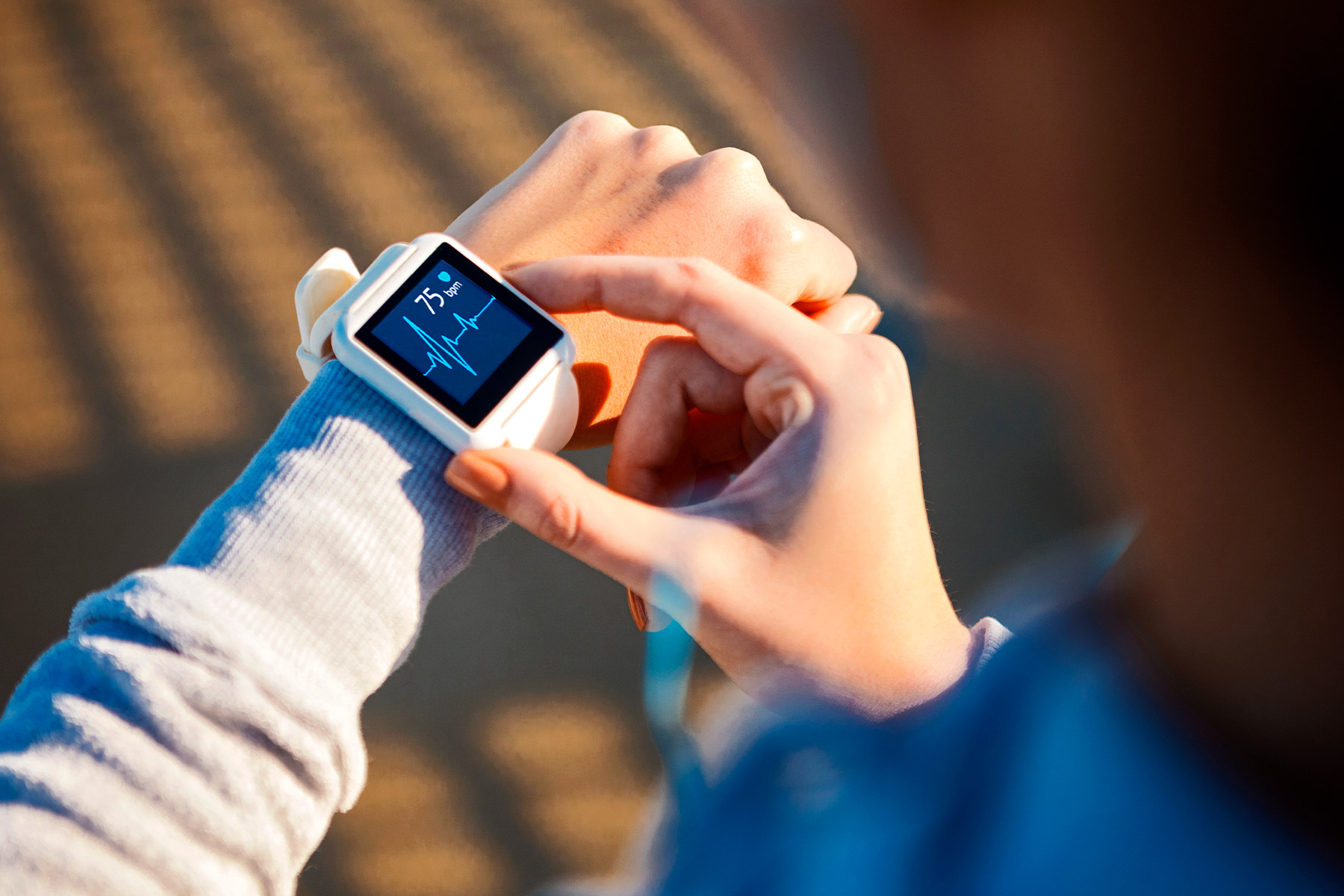
Health technology is changing this experience. Wearable devices, mobile apps, and remote monitoring tools help patients track their body signals and manage energy more safely. These tools turn everyday information into useful guidance that supports healing.
By moving from data to insight to action, health technology empowers cancer patients to understand their recovery journey better.
By moving from data to insight to action, health technology empowers cancer patients to understand their recovery journey better.
From Data to Insight to Action
Modern wearable devices can track heart rate, sleep patterns, physical activity, breathing rate, and sometimes blood oxygen levels. For cancer patients, these measurements offer helpful clues about how the body is coping with treatment and recovery.
For example, a patient may notice that poor sleep leads to severe fatigue the next day. Another might observe that light walking improves mood and appetite. These insights help patients adjust their daily routines.
Remote patient monitoring also allows healthcare providers to track symptoms and recovery from a distance. This improves safety and reduces unnecessary hospital visits.
When data guides small daily decisions, recovery becomes more manageable and less overwhelming.
When data guides small daily decisions, recovery becomes more manageable and less overwhelming.
Recognizing Patterns That Support Healing
The body follows natural rhythms, especially during recovery. Energy levels rise and fall depending on sleep quality, nutrition, stress, and physical activity.
Wearable devices help cancer patients recognize important trends, such as lower energy after treatment sessions, better recovery on days with gentle movement, and increased fatigue during periods of emotional stress.
Recognizing patterns helps patients plan activities wisely. They may schedule important tasks during high-energy periods and rest when fatigue signals appear.
Heart rate variability (HRV) is one marker that reflects how well the body adapts to stress. Lower HRV may signal that the body needs more recovery time.
Tracking patterns allows patients to respect their body’s limits while maintaining gradual progress.
Tracking patterns allows patients to respect their body’s limits while maintaining gradual progress.
Behavioral Nudges Encourage Healthy Recovery Habits
Recovery often requires consistent habits such as medication schedules, hydration, gentle movement, and proper sleep routines. However, fatigue and emotional strain can make it difficult to stay consistent.
Health apps and wearable devices provide gentle reminders that act as behavioral nudges. These prompts may include medication reminders, hydration alerts, and gentle prompts to stretch or walk, and bedtime reminders to support sleep cycles
Small reminders reduce mental burden and help patients maintain routines without feeling overwhelmed.
Digital health interventions that use reminders have been linked to better treatment adherence and improved health behaviors. Consistency is especially important during cancer recovery, where small daily actions support long-term healing.
Understanding the Limits of Health Data
While health technology offers many benefits, it cannot replace medical expertise. Devices estimate body patterns but cannot fully measure complex biological processes.
For example, fatigue cannot always be measured by step counts. Sleep trackers estimate sleep quality but are less precise than clinical sleep studies. Heart rate changes may not reflect deeper metabolic stress
Accuracy may also vary depending on device type and proper usage.
Patients should treat wearable data as helpful guidance rather than a strict medical diagnosis. Healthcare teams remain essential for interpreting symptoms and adjusting treatments.
Using Technology Without Obsession
Constant monitoring can sometimes create stress. Cancer recovery already brings emotional challenges, and focusing too heavily on numbers may increase anxiety.
Healthy technology use means finding balance.
Digital wellness experts encourage mindful engagement with health tools so that technology empowers rather than overwhelms users. Technology should act as a supportive partner in recovery—not a strict controller of daily life.
Technology should act as a supportive partner in recovery—not a strict controller of daily life.
Supporting Energy Management During Cancer Recovery
Energy is often limited during cancer treatment and recovery. Physical healing, emotional stress, and treatment side effects all require significant energy reserves.
Energy management strategies supported by digital tracking have shown benefits for patients recovering from chronic conditions and cancer-related fatigue. When patients understand their energy limits, they feel more confident and in control of their recovery.
A Balanced Approach to Recovery Technology
Health technology offers cancer patients valuable tools for monitoring recovery and managing energy. These tools increase awareness, encourage healthy habits, and support better communication with healthcare providers.
Recovery is not about doing more. It is about doing what is right for the body at the right time.
Recovery is not about doing more. It is about doing what is right for the body at the right time.
Evra advocates that health technology helps patients listen more closely to their bodies and make informed decisions that support healing.