
How Environmental Stressors Affect Blood Pressure
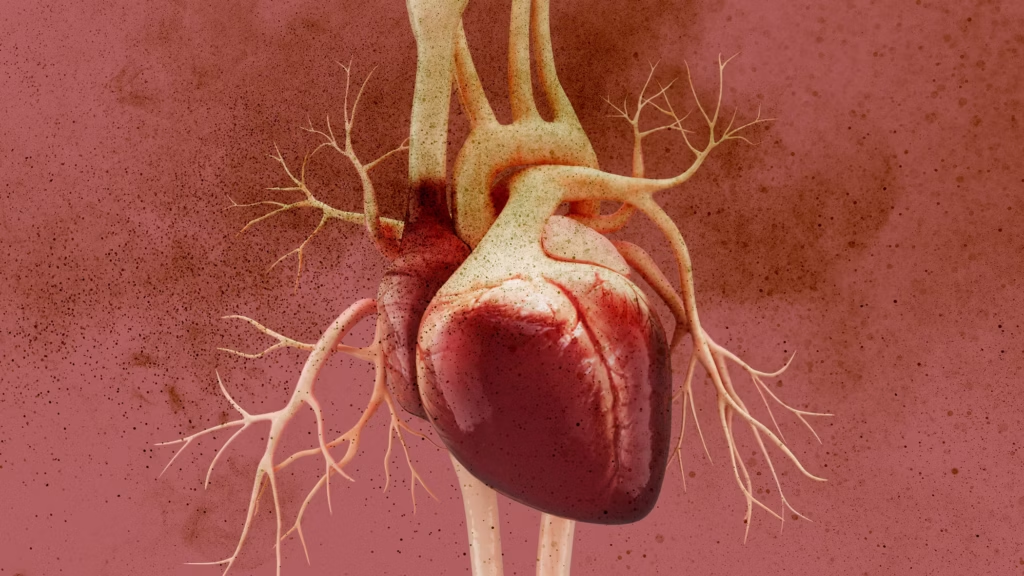
Blood pressure reflects how strongly blood pushes against artery walls. It changes throughout the day based on movement, emotion, sleep, and surroundings. When pressure stays high for long periods, the risk of heart disease, stroke, and kidney damage increases. While diet, exercise, and medication are well known influences, the environment also plays a powerful role. Noise, air pollution, temperature, and daily stress exposure can quietly shape cardiovascular health. Understanding how environmental stressors affect blood pressure helps people make small, meaningful changes that support long-term wellbeing.
How Pollution and Toxins Affect Cardiovascular Risk

Heart disease is often linked with lifestyle factors such as diet, exercise, and smoking. While these are important, the environment also plays a major role in cardiovascular health. Air pollution, chemical exposure, and environmental toxins can influence inflammation, blood pressure, and blood vessel function. Over time, these effects may increase the risk of heart attack, stroke, and other cardiovascular conditions.
How Environmental Exposures Influence Cancer Risk

Cancer develops through a mix of genetics, lifestyle, and environment. While some risk factors cannot be changed, many environmental exposures can be understood and reduced. Air quality, chemicals, radiation, and workplace conditions all interact with the body over time. These influences are usually subtle rather than immediate, which can make them easy to overlook. Learning how environment shapes cancer risk helps people make calm, informed choices that support long-term health without fear or overwhelm.
How Endocrine Disruptors Affect Hormonal Health

Digestion is not just about what we eat. It is also about how, when, and with whom we eat. Meals happen inside a body that responds to stress, safety, routine, and connection. For many people with digestive or gut symptoms, eating patterns and social context quietly shape how the gut works day to day.
How Light, Space, and Environment Affect Mood

The places we live and work can shape how we feel. Light, space, noise, and nature all send signals to the brain. These signals affect mood, sleep, stress, and energy. For people with depression, the environment can either support healing or make symptoms feel heavier.
Hidden Triggers: How Your Environment May Be Worsening Autoimmune Symptoms

Autoimmune conditions occur when the immune system mistakenly attacks the body. While genetics plays a role, the environment also has a strong influence. Everyday exposures—like air quality, chemicals, noise, and light—can affect how the immune system behaves.
Design for a Pain-Free Back: How Ergonomics and Environment Shape Spinal Health

Back pain is often linked to posture, heavy lifting, and long hours of sitting. But another important factor is often overlooked: our environment. The spaces where we live and work can influence inflammation, muscle tension, and spinal stress. Poor ergonomics combined with environmental exposures may increase discomfort and slow recovery.
Why Your Environment Plays a Hidden Role in Chronic Disease Risk

The environments we live and work in quietly shape long-term health. Research shows that everyday exposures like air quality, light, noise, and chemicals influence inflammation, hormone balance, and chronic disease risk over time.
