
How Community Supports Hormonal TransitionsHow Community Supports Hormonal Transitions

Hormonal transitions are a normal part of life. Puberty, pregnancy, postpartum recovery, perimenopause, menopause, and even periods of high stress all involve shifts in hormone levels. These changes can affect mood, sleep, energy, metabolism, and overall wellbeing. While medical care and lifestyle habits are important, social connection also plays a powerful role. Community support can help regulate stress hormones, improve emotional balance, and reduce feelings of isolation during hormonal change. Understanding this connection shows why healing is often both biological and relational.
How Endocrine Disruptors Affect Hormonal Health

Digestion is not just about what we eat. It is also about how, when, and with whom we eat. Meals happen inside a body that responds to stress, safety, routine, and connection. For many people with digestive or gut symptoms, eating patterns and social context quietly shape how the gut works day to day.
How Hormonal Changes Impact Work Performance

Work performance depends on focus, energy, mood, and physical comfort. All of these are influenced by hormones. Hormones act as the body’s chemical messengers, guiding sleep, stress response, metabolism, and emotional balance. When hormones shift, concentration may fade, fatigue may rise, and daily tasks can feel harder. These changes are common during life stages such as menstrual cycles, pregnancy, menopause, thyroid imbalance, or chronic stress. Understanding how hormonal health interacts with the workplace can help people respond with support instead of self-blame.
How Exercise Supports Hormonal Regulation

Hormones are chemical messengers that help control mood, energy, sleep, hunger, and reproduction. When hormones are out of balance—often called hormonal dysregulation—people may feel tired, anxious, have irregular cycles, gain weight, or struggle with sleep.
How Supplements May Support Hormonal Balance
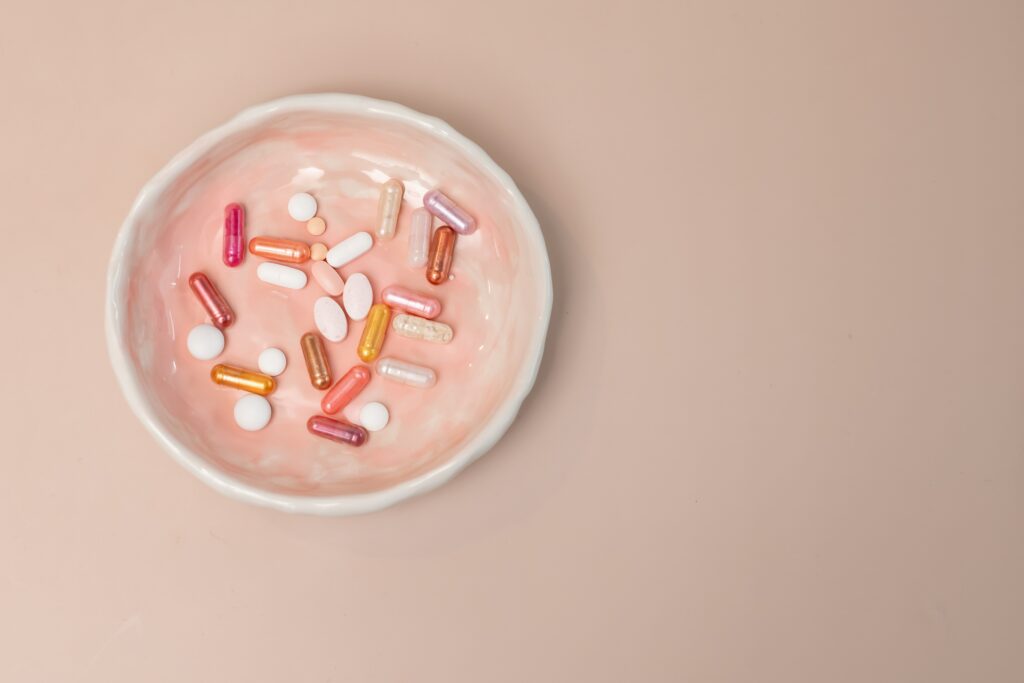
Hormones act as chemical messengers that help regulate many processes in the body. They influence metabolism, mood, sleep, reproductive health, and energy levels. When hormones fall out of balance, people may experience symptoms such as fatigue, irregular cycles, mood shifts, or metabolic changes.