
How Purpose and Identity Shift During Cancer Recovery

Cancer recovery is not only a physical process. It is also an emotional and personal journey. After treatment ends, many people expect life to return to normal. Instead, they often find that their sense of purpose, identity, and daily meaning has changed.
How Support Affects Pain Recovery
Pain is not only physical. Emotions, stress, and social connection shape it. When people feel supported, their body often heals better. When they feel alone, pain can last longer and feel stronger.
How Supplements May Support Gut Health

Digestive health shapes how the body feels each day. The gut helps break down food, absorb nutrients, guide immune activity, and even influence mood. When the digestive system is out of balance, people may notice bloating, pain, irregular bowel habits, fatigue, or brain fog.
How Burnout Contributes to Depression

Hormonal transitions are a normal part of life. Puberty, pregnancy, postpartum recovery, perimenopause, menopause, and even periods of high stress all involve shifts in hormone levels. These changes can affect mood, sleep, energy, metabolism, and overall wellbeing. While medical care and lifestyle habits are important, social connection also plays a powerful role. Community support can help regulate stress hormones, improve emotional balance, and reduce feelings of isolation during hormonal change. Understanding this connection shows why healing is often both biological and relational.
How Community Supports Hormonal TransitionsHow Community Supports Hormonal Transitions

Hormonal transitions are a normal part of life. Puberty, pregnancy, postpartum recovery, perimenopause, menopause, and even periods of high stress all involve shifts in hormone levels. These changes can affect mood, sleep, energy, metabolism, and overall wellbeing. While medical care and lifestyle habits are important, social connection also plays a powerful role. Community support can help regulate stress hormones, improve emotional balance, and reduce feelings of isolation during hormonal change. Understanding this connection shows why healing is often both biological and relational.
How Symptom Tracking Helps Identify Triggers

Many daily habits, including diet, movement, sleep, and stress levels, influence blood pressure. While lifestyle changes remain the foundation of heart health, some people explore supplements to help support healthy blood pressure.
Supplements play a helpful role when used wisely. However, they should be viewed as support tools, not replacements for healthy living or medical treatment.
Smart Supplements for Blood Pressure: What Helps and When to Use Them
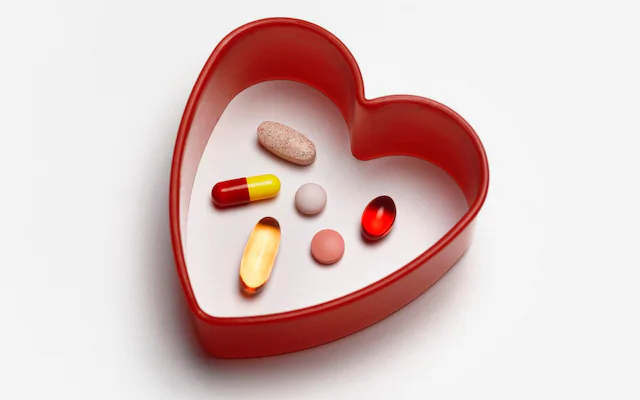
Many daily habits, including diet, movement, sleep, and stress levels, influence blood pressure. While lifestyle changes remain the foundation of heart health, some people explore supplements to help support healthy blood pressure.
Supplements play a helpful role when used wisely. However, they should be viewed as support tools, not replacements for healthy living or medical treatment.
Why Sleep Quality Matters for Heart Health and Cardiovascular Disease Prevention
Sleep is more than rest. It is a powerful biological process that helps the body repair, regulate hormones, and reset vital systems. One of the most important systems affected by sleep is the cardiovascular system, which includes the heart and blood vessels.
How Purpose and Emotional Wellbeing Support Heart Health

Heart health is often discussed in terms of food, exercise, and blood pressure. These factors matter greatly, but they are not the full story. Emotional wellbeing, sense of purpose, and spiritual connection also shape how the heart and blood vessels function over time. Mental and emotional health are closely linked with cardiovascular disease risk. Understanding this connection can help people care for the heart in a more complete and compassionate way.
Smart Supplementation: How to Support Your Immune System Safely and Effectively

The immune system works every day to protect the body. It fights infections, repairs damage, and helps maintain balance. But in today’s world—where stress, poor diet, and environmental exposures are common—immune health can become disrupted.
