
How Sleep Quality Shapes Anxiety and Emotional Health
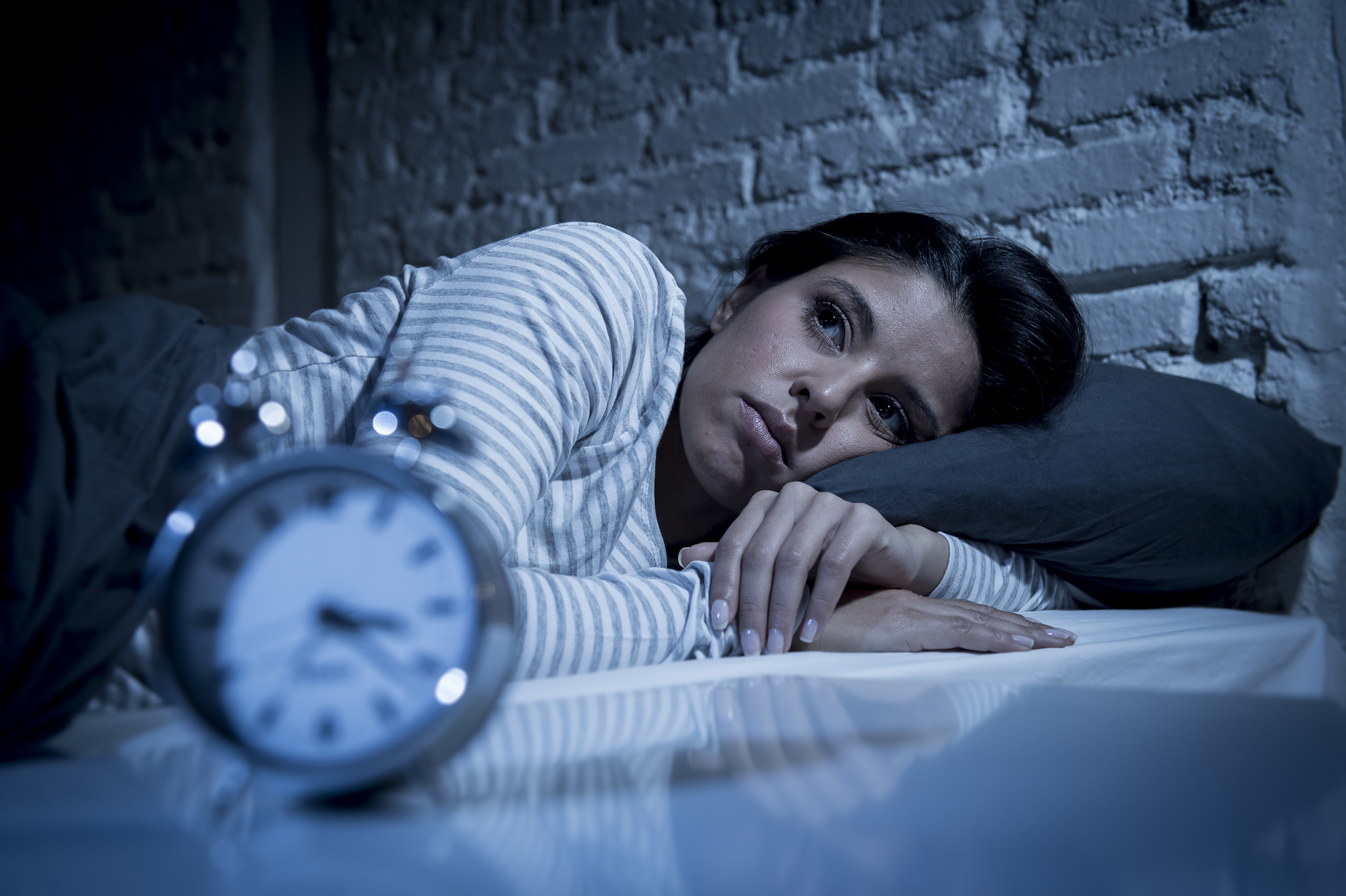
Sleep and anxiety are closely connected. When sleep quality is poor, the brain and body often become more sensitive to stress. Many people with anxiety notice that their symptoms worsen after a night of poor sleep. Scientists now understand that sleep plays a major role in emotional regulation, brain chemistry, and stress response. Healthy sleep patterns support the brain’s ability to process emotions and maintain balance.
Understanding how sleep quality influences anxiety can help people view sleep as an important part of emotional wellbeing.
Why Sleep Matters for Anxiety
Sleep helps regulate brain systems that control emotional responses. During sleep, the brain reorganizes information and restores chemical balance. Sleep supports the regulation of neurotransmitters such as serotonin and gamma-aminobutyric acid, which influence anxiety and mood.
Sleep also affects the body’s stress system. The hypothalamic-pituitary-adrenal axis regulates cortisol, a hormone involved in the stress response. When sleep is disrupted, cortisol rhythms can become irregular, increasing emotional reactivity.
There have been strong connections between sleep disturbance and anxiety disorders. Individuals with chronic insomnia are significantly more likely to develop anxiety symptoms over time. Sleep problems may both result from anxiety and contribute to it.
Sleep disruption can also worsen anxiety by affecting brain regulation and stress hormones.
A common misconception is that sleep problems are only a symptom of anxiety. In reality, sleep disruption can also worsen anxiety by affecting brain regulation and stress hormones. Improving sleep may therefore help reduce anxiety symptoms.
How Sleep Influences Symptoms and Risk
Sleep influences anxiety through several biological pathways. One important pathway involves emotional processing in the brain. During rapid eye movement sleep, the brain processes emotional experiences and regulates how strongly they are remembered. When REM sleep is disrupted, emotional reactions may become stronger the next day.
Sleep deprivation also affects the amygdala, a brain region involved in threat detection. Studies show that lack of sleep increases amygdala activity, making the brain more reactive to stress.
In the short term, even a single night of poor sleep can increase feelings of worry, irritability, and emotional sensitivity. Sleep deprivation increases negative emotional responses and decreases positive mood.
Even a single night of poor sleep can increase feelings of worry, irritability, and emotional sensitivity.
Over the long term, chronic sleep disruption may increase the risk of anxiety disorders. Persistent insomnia is associated with greater likelihood of developing generalized anxiety disorder and other stress-related conditions.
What Patterns People Often Notice
People who improve sleep quality often report noticeable changes in emotional balance. Energy levels may feel steadier during the day. Mood may become more stable. Concentration and memory often improve when the brain receives adequate rest.
Improved sleep has been linked with better emotional regulation and reduced anxiety symptoms. Some individuals notice that worries feel less overwhelming after consistent sleep.
Some individuals notice that worries feel less overwhelming after consistent sleep.
Sleep also affects physical wellbeing. Poor sleep may increase muscle tension, headaches, and fatigue, which can intensify anxiety. When sleep improves, these symptoms often become less severe.
Variation is normal. Some people experience rapid improvement in mood when sleep improves, while others notice gradual changes over weeks or months.
Practical Ways to Support This Area
Improving sleep quality often begins with simple habits. Maintaining a consistent bedtime and wake time helps regulate the body’s internal clock. Exposure to natural daylight early in the day also supports healthy circadian rhythms.
Reducing bright light and screen exposure before bed may help the brain prepare for sleep. Blue light from electronic devices can delay melatonin production, the hormone that signals sleep.
Creating a calming evening routine may also support better sleep. Reading, stretching, or practicing slow breathing can help shift the nervous system into a relaxed state.
Consistency matters more than perfection.
Consistency matters more than perfection. Small changes practiced regularly can gradually improve sleep patterns.
How Awareness and Tracking Can Help
Tracking sleep patterns can reveal helpful insights. Some people notice that caffeine intake, stress levels, or evening screen use affect sleep quality. Others observe that exercise and daylight exposure improve sleep.
Sleep tracking and self-monitoring can increase awareness of sleep habits and support behavioral changes that improve sleep health. Sleep journals and wearable devices can help identify patterns.
Approaching tracking with curiosity rather than pressure helps people learn what supports their individual sleep needs.
Approaching tracking with curiosity rather than pressure helps people learn what supports their individual sleep needs.
Key Takeaway
Sleep quality plays a major role in anxiety regulation. Poor sleep can increase stress hormone activity, disrupt emotional processing, and make the brain more reactive to perceived threats. Improving sleep habits can help stabilize mood and support emotional resilience. While sleep alone cannot eliminate anxiety, it is one of the most powerful foundations for mental wellbeing. Small, consistent improvements in sleep routines can support both brain health and emotional balance.
While sleep alone cannot eliminate anxiety, it is one of the most powerful foundations for mental wellbeing.
Tracking with Evra can help you determine ways to improve your sleep quality.
